

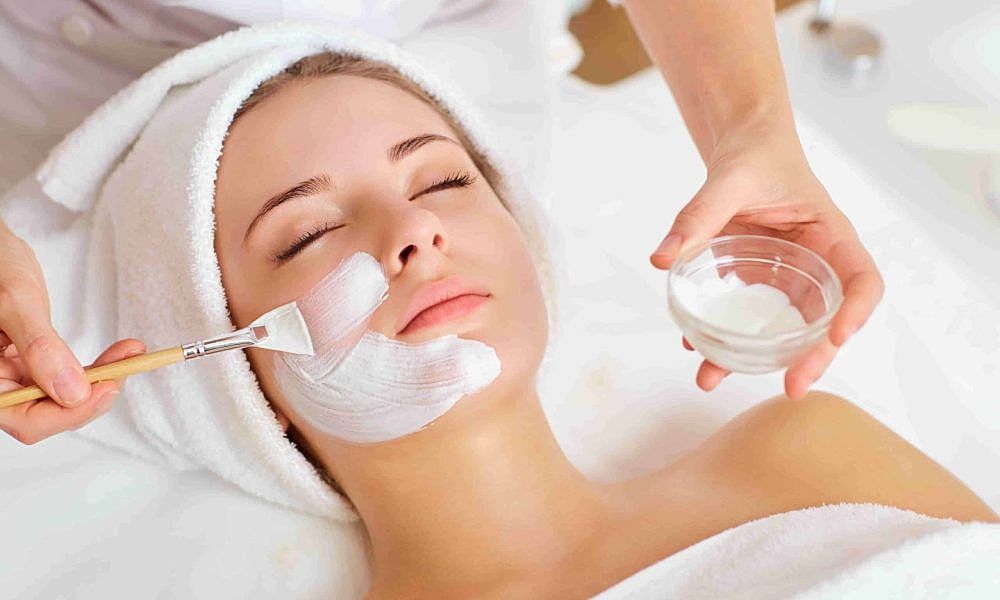
 Why do you need a facial?
 Facials are skin care treatments that involve several essential steps to cleanse, exfoliate, and nourish the skin on your face. Estheticians or skincare professionals perform them and offer several potential benefits for your skin health and overall well-being. Here are some reasons why people choose to get facials:
Pre and post-facial care is essential to ensure you get the most out of your facial treatment and maintain the benefits afterward. Here are some guidelines for both pre-facial and post-facial care:
Pre-Facial Care:
The pre-facial care involves communicating with your esthetician. Before your facial, communicate any skin concerns, sensitivities, allergies, or specific goals for the treatment; this will help the esthetician tailor the facial to your needs. It also involves avoiding too much sun exposure as sunburned or tanned skin can be more sensitive during the treatment. You must say no to harsh exfoliation. Refrain from using harsh exfoliating products a few days before your facial, preventing over-exfoliation during the treatment.
Of course, loving water is part of the deal. Proper and sufficient hydration is essential for healthy skin. Drink plenty of water in the days leading up to your facial to ensure your skin is well-hydrated. But as much as you want to extremely take care of your skin, skip strong active ingredients. If you use active solid ingredients like retinoids, AHAs, or BHAs, consider discontinuing them a few days before your facial to avoid potential irritation.
Post-Facial Care:
On the other hand, post-facial care involves firstly, following your esthetician’s advice. Your esthetician may provide specific post-facial care instructions based on the treatment you received. Follow their recommendations for the best results. You must also avoid sun exposure and heavy makeup. After a facial, your skin might be more sensitive to the sun. Use broad-spectrum sunscreen with at least SPF 30 to protect your skin from UV rays. Give your skin time to breathe and recover after a facial. Avoid using heavy makeup immediately after the treatment.
Hydrate, hydrate, hydrate! Keep your skin hydrated using a gentle moisturizer suitable for your skin type, which will help maintain the hydration levels achieved during the facial. In connection to this, stay hygienic. Keep your hands clean and avoid touching your face unnecessarily to prevent transferring bacteria or causing irritation. If you are longing for hot, relaxing baths, keep waiting as you are also advised to avoid saunas and steam rooms. Steer clear of extreme heat or steam for the first 24 to 48 hours after your facial, as this can exacerbate any redness or sensitivity.
Eventually, you can gradually reintroduce active ingredients: If you stopped using solid and active ingredients before your facial, reintroduce them progressively into your skincare routine after your skin has had time to recover. And still, maintain a skincare routine. Continue with your regular skincare routine to ensure the lasting benefits of the facial. Remember these three easy steps: daily cleanse, moisturize, and protect your skin with sunscreen. Lastly, it will never hurt a little to practice gentleness. Be gentle with your skin, and avoid over-exfoliating or using abrasive scrubs for a few days.
Typically, there are two powerful treatments you can add to facials, and these are the following:
Combining dermaplaning with a facial is a popular treatment option that can provide enhanced benefits for your skin. When these two treatments are combined, they work synergistically to provide deep exfoliation, improve skin texture, and promote a healthy, radiant complexion. Dermaplaning is a non-invasive cosmetic procedure that uses a surgical scalpel to gently remove the outermost layer of dead skin cells and fine vellus hair or peach fuzz. Consider temporary redness and sensitivity after the treatment if you want to combine the two. If you are new to both treatments, you should try each separately.
On the other hand, combining microneedling with facials is a treatment approach that can offer comprehensive skin rejuvenation by addressing multiple aspects of skin health. Microneedling involves using a device with tiny needles to create controlled micro-injuries in the skin. The mix of the two treatments offers enhanced product penetration, more profound skin renewal, and, most importantly, overall skin radiance.
The frequency of facials can vary based on several factors, including your skin type, concerns, goals, budget, and the recommendations of your esthetician. While there’s no one-size-fits-all answer, here are some general guidelines to consider:
Be careful about overdoing facials, as they might overdo you, too. Get the best guidance at Viata Aesthetics and Wellness, and contact them for more facial details!